Physical Address
304 North Cardinal St.
Dorchester Center, MA 02124
Physical Address
304 North Cardinal St.
Dorchester Center, MA 02124
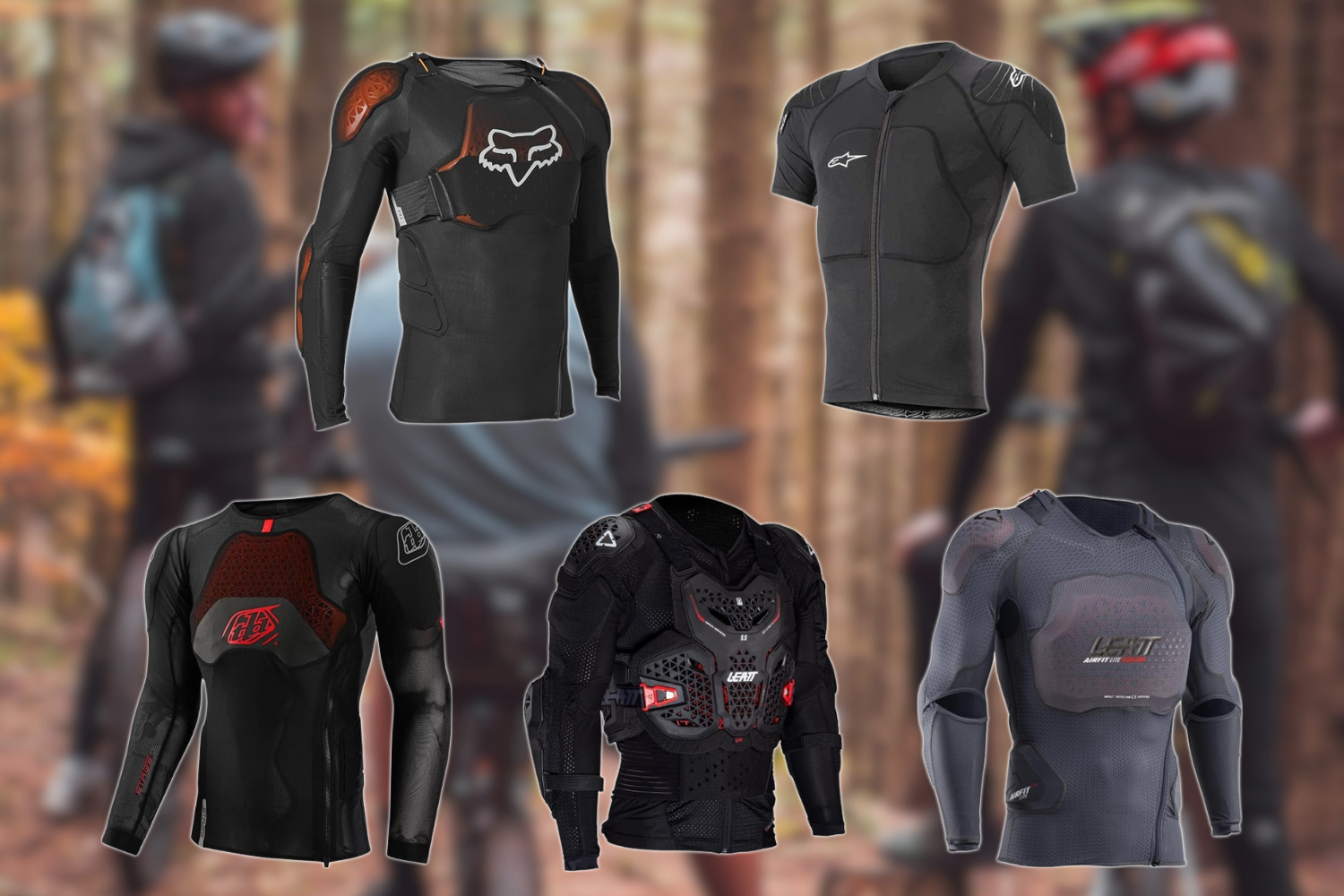
When it comes to downhill trails and bike park riding, wearing proper MTB body armor isn’t optional—it’s essential. High speeds, big drops, rock gardens, and technical features all increase the risk of hard impacts. The best mountain bike body armor is designed to protect your chest, back, shoulders, and spine while still allowing flexibility and airflow for aggressive riding. In this guide, we’ll break down the best MTB body armor for downhill and park riding, helping you choose protection that boosts confidence, safety, and performance on every descent.
Our Top 5 MTB Body Armor Recommendations:
# | PREVIEW | PRODUCT | RATING | LINK |
5 | Troy Lee Designs Stage Ghost D30 Long Sleeve Baselayer | ; | ||
4 | Alpinestars Men’s Paragon Lite Jacket – Short Sleeve | ; | ||
3 | Men Leatt 3df Airfit Lite Evo | ; | ||
2 | Men Leatt Body 5.5 Evo Protector Jacket | ; | ||
1 | Fox Baseframe Pro D3O Protector Jacket | ; |
The Troy Lee Designs Stage Ghost D30 Long Sleeve Baselayer is a lightweight impact-absorbing layer designed for riders who want added protection without bulk. Its D30 panels provide flexible, low-profile padding across key zones like shoulders, spine, and elbows while staying breathable and low-profile under a jersey. Though not as robust as a full armor jacket, it’s ideal for riders looking to enhance protection with minimal restriction or heat — especially on long trail days with occasional rocky hits.
Pros:
Cons:
The Troy Lee Designs Stage Ghost D30 Long Sleeve Baselayer is perfect for riders who want added peace of mind without committing to bulky protective jackets. Its lightweight, flexible D30 padding helps absorb low-to-moderate impacts such as rock strikes, roots, or minor crashes — making it an ideal choice for trail and enduro riders stepping into more technical terrain. Because it’s designed as a baselayer, it fits comfortably under a jersey or over a moisture-wicking shirt, offering extra coverage without sacrificing cooling or mobility.
That said, this piece is best viewed as a supplemental layer rather than a full replacement for proper downhill armor. While the D30 inserts provide impressive impact absorption for their weight, they don’t offer the same level of chest, back, or shoulder protection that heavier armor jackets deliver in high-impact DH or bike park scenarios. If your rides involve occasional scrapes, light crashes, or you simply want to reduce shoulder and spine sting on rough trails, this baselayer adds a helpful safety buffer. But for big hits and high-speed crashes, riders should still consider a full-coverage armor jacket from the higher-ranked options. It’s a great choice for lightweight, all-day comfort with enhanced protection for riders who value mobility and breathability.
The Alpinestars Men’s Paragon Lite Jacket – Short Sleeve blends effective protection with lightweight comfort, making it a great choice for trail and downhill riders who want reliable armor without restricting movement. Featuring CE-rated protectors in the back, chest, shoulders, and elbows, this jacket delivers solid impact defense while maintaining a breathable design and comfortable fit. Its short-sleeve profile strikes a balance between freedom of motion and protective coverage — ideal for aggressive trail days and bike park laps.
Pros:
Cons:
The Alpinestars Paragon Lite Jacket is a smart choice for riders who want protective armor that feels good to wear all day long. Its CE-rated padding addresses the chest, back, shoulders, and elbows — the areas most likely to take a hit in a crash — and the mesh construction keeps airflow high on hot singletrack or during fast park laps. The short-sleeve design offers greater freedom of motion, which is especially appreciated when climbing or maneuvering through tight turns where bulky sleeves can feel restrictive.
While not as comprehensive as full-arm or pro-level jackets, the Paragon Lite does a solid job balancing impact protection, comfort, and ventilation. It’s particularly well-suited to riders who want a versatile armor jacket that’s supportive enough for downhill runs but still breathable and comfortable for long trail rides. If you’re tackling mixed terrain or spend significant time outside of the bike park, the Paragon Lite’s blend of mobility and defense makes it a strong mid-range pick. It’s a great option for riders who want excellent protection without compromising agility or heat management on aggressive rides.

The Leatt 3df Airfit Lite Evo is a ventilated, vest-style body armor designed for riders who want solid protection without sacrificing airflow and comfort. Featuring Leatt’s 3DF impact foam throughout the torso and back, this light yet effective armor offers good coverage for trail, enduro, and park sessions. The ergonomic design moves with your body, while the breathable materials keep you cool even on hot, aggressive rides. It’s a great balance of protection, comfort, and airflow.
Pros:
Cons:
The Leatt 3df Airfit Lite Evo is a strong choice if you want core body protection that feels light and breathable. Its 3DF impact foam offers reliable energy absorption at key areas like the chest and spine, while the vest-style construction reduces heat buildup — a big advantage during long trail rides or bike park shuttle laps in summer weather. The ergonomic cut moves with you as you pedal, lean, and descend, so you get protection without feeling restricted or overheated.
This armor shines for riders who prioritize comfort and airflow without giving up meaningful protection. While it doesn’t include built-in shoulder guards or extend as far into full coverage like some jackets do, its core defense and flexible foam make it a versatile option for riders who balance trail riding and park days. If you want a protective vest that you can wear all day with minimal discomfort — especially in warm conditions — the Leatt 3df Airfit Lite Evo delivers dependable defense and breathability in a sleek, low-bulk package.
The Leatt Body 5.5 Evo Protector Jacket is a high-coverage armor jacket built for riders who take downhill, enduro, and bike park riding seriously. With extensive coverage spanning chest, back, shoulders, and elbows, this jacket offers excellent protection while still maintaining good ventilation and comfort. Designed with Leatt’s proven 3DF impact foam and advanced ergonomic fit, it’s engineered to keep you safe without restricting movement — even during aggressive descents and technical trail sections.
Pros:
Cons:
The Leatt Body 5.5 Evo Protector Jacket is a standout choice for riders who demand serious protection without sacrificing comfort or mobility. Its 3DF impact foam extends over the chest, back, shoulders, and elbows, giving you confidence when hitting big drops, technical rock gardens, or high-speed corners. Despite the broad coverage, the jacket’s ventilated construction facilitates airflow, helping you stay cool and dry on long rides or intense laps at the bike park.
Although a bit bulkier and pricier than simpler protective vests, the Leatt 5.5 Evo is built for riders who value durability and broad impact defense. Its ergonomic cut and flexible foam allow natural movement while pedaling or descending — a key element if you’re riding all day or tackling technical terrain. Whether you’re racing downhill, sessioning jumps, or ripping enduro trails, this jacket delivers consistent, reliable protection that reduces sting and impact forces. For riders who want a full-coverage protector built for gravity-centric riding, this jacket brings strong performance and dependable peace of mind.

The Fox Baseframe Pro D3O Protector Jacket earns the top spot for its excellent balance of protection, comfort, and ride-all-day wearability. Designed for aggressive trail, enduro, and park riding, it uses D3O impact-absorbing armor that stays soft and flexible while riding, then hardens on impact. With a slim, breathable profile and CE-certified back and shoulder protection, this jacket is ideal for riders who want serious safety without the bulk of full downhill armor.
Pros:
Cons:
The Fox Baseframe Pro D3O Protector Jacket is the best choice for riders who want high-level impact protection without sacrificing comfort or mobility. Its D3O armor adapts to your movement, staying soft during pedaling and stiffening instantly during crashes. The breathable mesh chassis promotes airflow, making it suitable for warm climates, long trail rides, and all-day enduro sessions. Unlike bulky downhill armor, this jacket feels light and natural once you’re on the bike.
While it doesn’t offer the full coverage of heavy DH jackets, the Baseframe Pro shines in versatility. It’s ideal for trail riders who push limits, enduro racers who need protection without overheating, and bike park riders who prefer a streamlined setup. The low-profile fit works seamlessly under jerseys and hydration packs, making it easy to integrate into any riding kit. If you want premium impact protection that doesn’t feel restrictive, the Fox Baseframe Pro D3O stands out as the best all-around MTB body armor on this list.
Is MTB body armor necessary for downhill riding?
Yes. Downhill and bike park riding involve higher speeds and harder impacts. Certified body armor helps reduce injury risk to the chest, spine, shoulders, and elbows.
What’s the difference between soft and hard body armor?
Soft armor (like D3O or 3DF) is lighter and more flexible, ideal for trail and enduro. Hard shell armor offers maximum impact protection, best for aggressive downhill and park riding.
Can I wear body armor under a jersey?
Most modern MTB armor is designed to be low-profile and breathable, allowing it to fit comfortably under jerseys or jackets.
How should MTB body armor fit?
It should feel snug without restricting movement. Loose armor won’t protect properly, while overly tight armor reduces comfort and ventilation.
Is body armor suitable for long rides?
Lightweight and breathable models are suitable for long sessions, while heavier armor is better reserved for lift-access parks or short downhill runs.
Choosing the best MTB body armor depends on your riding style, terrain, and protection needs. Riders who prioritize lightweight comfort and flexibility may prefer breathable soft-shell protectors, while downhill and bike park riders will benefit from reinforced armor with certified impact protection. Proper fit, ventilation, and coverage should always guide your decision, especially when riding technical trails or high-speed descents.
Mountain bike body armor is an investment in confidence and safety. Whether you’re sending big jumps at the bike park or pushing limits on steep downhill trails, the right armor lets you ride harder with peace of mind. Focus on certified protection, comfort during movement, and durability for repeated impacts. With the right body armor, you’ll stay protected, ride longer, and enjoy every descent with greater control and confidence.