Physical Address
304 North Cardinal St.
Dorchester Center, MA 02124
Physical Address
304 North Cardinal St.
Dorchester Center, MA 02124

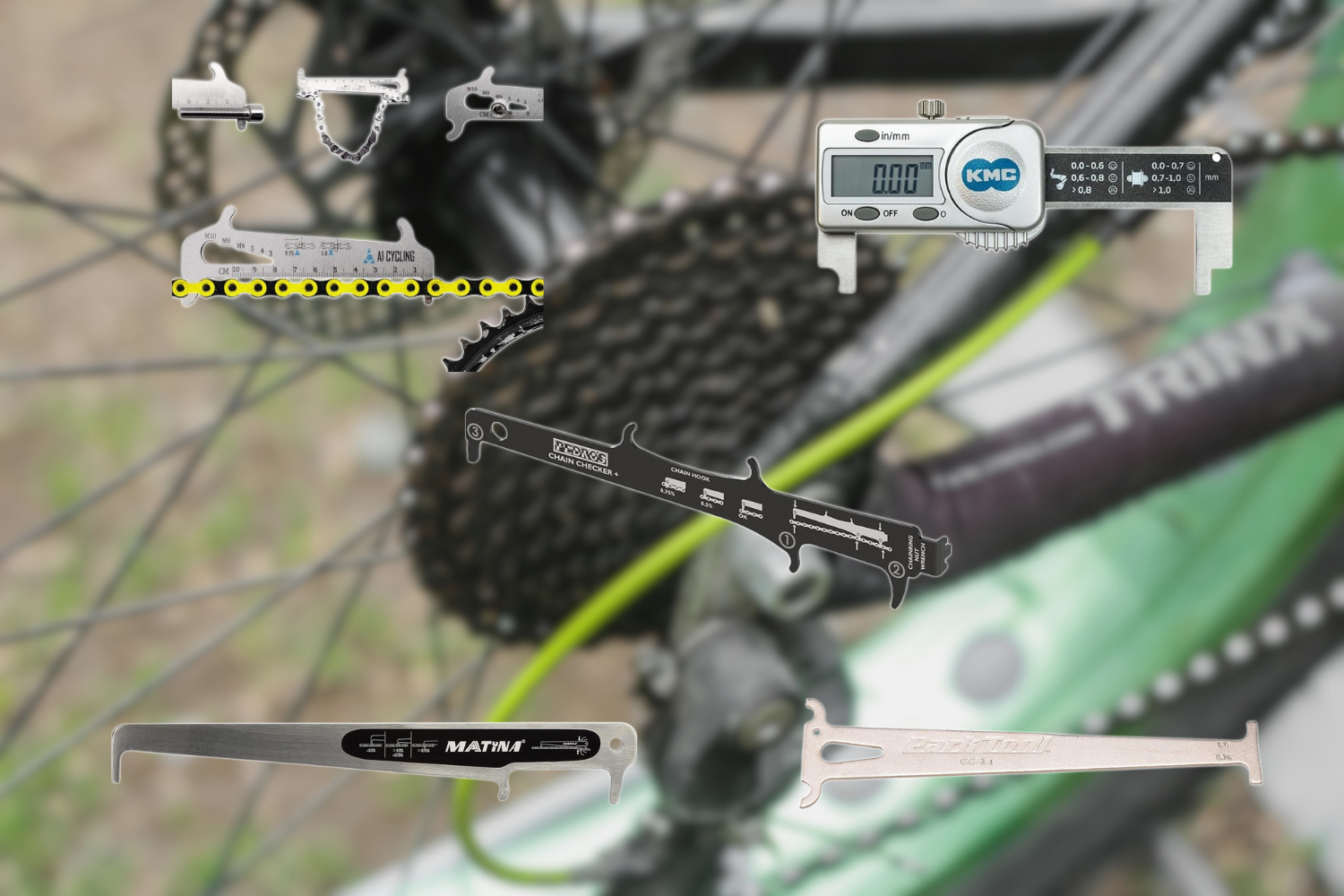
Keeping your mountain bike’s chain in good condition isn’t just about smooth shifting — it’s essential for protecting your cassette, chainrings, derailleur, and the entire drivetrain. MTB Chain Wear Indicators make it easy to check chain stretch regularly, helping riders detect wear early before it starts damaging other expensive drivetrain components. A worn or “stretched” chain no longer meshes properly with the teeth on your cassette and chainrings, which can quickly lead to poor shifting, noisy pedaling, and accelerated wear on multiple parts.
Chain wear indicators are simple but incredibly useful maintenance tools that allow you to measure chain wear accurately in seconds. By checking your chain periodically, you can replace it at the right time and prevent costly drivetrain replacements down the line. In this guide, we’ve ranked some of the best MTB chain wear indicators available, from affordable mechanical gauges to more precise measuring tools. Whether you’re a weekend trail rider or a dedicated mountain biking enthusiast, these tools help keep your drivetrain running smoothly and extend the lifespan of your bike’s components.
Top 5 MTB Chain Wear Indicators Recommendations:
# | PREVIEW | PRODUCT | RATING | LINK |
5 | 
| VANICE 4-in-1 Bicycle Chain Checker | ; | |
4 | 
| MATINA CC-4 Bike Chain Checker Tool | ; | |
3 | 
| Pedro’s Chain Checker Plus II | ; | |
2 | 
| KMC Digital Chain Checker | ; | |
1 | 
| Park Tool CC-3.2 Chain Wear Indicator | ; |

The VANICE 4-in-1 Bicycle Chain Checker is a budget-oriented tool designed to help riders monitor chain wear alongside a few additional maintenance checks. As a compact multi-tool, it includes chain wear measurement slots for different wear percentages plus features for quick mechanical checks. While its review count is limited compared to more established brands, it offers riders a versatile, low-cost way to keep an eye on drivetrain condition — ideal for casual riders or beginners who want to catch chain stretch early and avoid drivetrain damage.
Pros:
Cons:
The VANICE 4-in-1 Bicycle Chain Checker is a practical entry-level tool for riders who want a simple, affordable way to monitor chain stretch and perform a few other basic maintenance checks. Its versatile design means it can help check chain wear while also offering additional small-tool functions — which can be handy if you’re just starting to build your bike maintenance toolkit or prefer to keep things minimal on the trail. The compact, lightweight form factor makes it easy to carry in a frame bag or saddle pack, so you’re never far from a quick drivetrain check.
However, because this tool’s review base is smaller and its accuracy isn’t as widely verified as some other models, more experienced riders or those who rely on precise chain measurements for performance maintenance may eventually prefer a dedicated gauge. The extra functions — while useful — tend to be basic and may not replace specialized tools for more detailed mechanical work. Still, for riders who want an affordable way to spot early chain wear and avoid letting a worn chain damage your drivetrain, the VANICE 4-in-1 Chain Checker offers good foundational value and a handy multi-function format that’s great for beginners or occasional trail users.

The MATINA CC-4 Bike Chain Checker Tool is a straightforward chain wear gauge designed for mountain bike riders who want a simple, reliable way to check drivetrain stretch before it leads to costly cassette or chainring wear. Made from durable materials and featuring precision-cut measurement slots, it lets you quickly assess whether your chain has reached common wear thresholds. Its compact size and easy-to-use design make it ideal for home maintenance or quick trailside checks.
Pros:
Cons:
The MATINA CC-4 Bike Chain Checker Tool is an excellent choice for riders who want a no-nonsense gauge to keep an eye on chain wear. Its precisely cut measurement slots correspond to common wear thresholds used by mechanics — typically around 0.5 % and 0.75 % wear points — so you can decide when a chain needs replacing before it damages expensive drivetrain parts like cassettes and chainrings. The tool’s compact body means it fits easily in a saddle bag, frame bag, or workshop drawer, making regular checks part of your routine maintenance.
While it may not have the widespread user review base of more established tools like Park Tool’s gauges, the MATINA CC-4 still delivers solid performance for a very attractive price. Riders who want a simple, effective chain wear indicator without spending a lot will appreciate its straightforward functionality. Just be sure to align the tool carefully and use consistent technique for accurate readings. If you ride frequently or in conditions that accelerate drivetrain wear (mud, dust, mixed terrain), this tool helps you spot early chain stretch so you can act before it turns into a bigger, more expensive problem.

The Pedro’s Chain Checker Plus II is a well-liked mechanical chain wear tool trusted by cyclists who want quick, accurate checks and consistent drivetrain maintenance. Designed with precision cutouts that show when a chain has stretched to recommended replacement points, this gauge helps prevent premature wear of cassettes and chainrings by giving clear, reliable notifications of wear progression. Compact and lightweight, it’s easy to carry or store in a workshop, making it a favorite among mountain bike mechanics and home tuners alike.
Pros:
Cons:
The Pedro’s Chain Checker Plus II is a standout choice for riders who want a trusted and precise mechanical gauge without jumping to a digital unit. Its clear wear indicators help you determine exactly when your chain reaches common wear thresholds (like the often-recommended 0.5 % and 0.75 % marks), which are critical for preventing drivetrain damage. Whether you’re doing routine maintenance at home or checking between trail rides, its intuitive go/no-go interface makes it easy to read even if you’re not a seasoned mechanic.
While it doesn’t offer the numeric precision of digital models, its simplicity and build quality make it a dependable tool you can trust ride after ride. Compact enough for your saddle bag but rugged enough for regular workshop checks, the Pedro’s Chain Checker Plus II earns praise for being both practical and durable. Riders upgrading from basic checkers often find this model strikes the right balance of performance, ease of use, and long-term reliability — especially if you plan to ride frequently or in conditions that accelerate chain wear (mud, dust, rain). If you want a gauge with proven accuracy and broad MTB compatibility, this tool is a strong mid-tier option that helps you maintain your drivetrain efficiently and avoid costly cassette or chainring replacements.

The KMC Digital Chain Checker brings precision and modern convenience to drivetrain maintenance with its easy-to-read digital display and accurate wear measurement. Unlike traditional mechanical gauges that rely on go/no-go fitment, this tool provides a numeric percentage readout showing exactly how much your chain has stretched. That level of detail helps riders make informed decisions on when to replace a chain and avoid costly cassette and chainring wear. Lightweight and compact, it’s perfect for both home workshops and tool kits.
Pros:
Cons:
The KMC Digital Chain Checker stands out for riders who want exact numerical precision rather than simple “fit/not fit” feedback from mechanical tools. With a clear digital display, this gauge shows exactly how much your chain has stretched as a percentage, allowing you to track wear progression over time. Knowing that number helps you schedule maintenance more confidently and avoid riding on a worn chain that could damage your cassette or chainrings. This makes the digital tool especially valuable for riders who do frequent maintenance, race regularly, or want the most accurate measurement possible.
While it costs more than basic mechanical gauges and requires periodic battery changes, many riders find the clarity and precision worth the investment — particularly if they own multiple bikes or perform detailed workshop checks. The compact design still makes it suitable for carrying in a home tool kit or workshop drawer, though it’s less likely to be taken on every trail ride due to its slightly larger footprint and digital nature. If you’re serious about drivetrain health, want precise, trusted numerical data, and enjoy tracking maintenance metrics over seasons of riding, the KMC Digital Chain Checker is a premium pick that delivers reliable accuracy and long-term value.
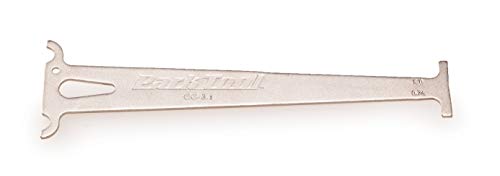
The Park Tool CC-3.2 is a trusted industry-standard chain wear gauge designed for accurate and quick assessment of MTB and road bike chains. Its dual-ended design checks both 0.5% and 0.75% chain stretch, providing clear guidance on when to replace your chain before it wears down your cassette. Durable and easy to use, the CC-3.2 is perfect for home mechanics and professional workshops, giving riders confidence in maintaining optimal drivetrain performance.
Pros:
Cons:
The Park Tool CC-3.2 Chain Wear Indicator is widely regarded as the most reliable mechanical gauge on the market. Its dual-ended design allows riders to check for early wear at 0.5% stretch and replacement threshold at 0.75%, ensuring chains are replaced at the ideal time. This prevents unnecessary wear on expensive cassettes and chainrings, saving money in the long run. Lightweight, durable, and easy to use, it’s a perfect addition to any home mechanic’s toolkit or professional workshop setup, offering consistent accuracy without the need for batteries or electronics.
While it lacks a digital display, many riders appreciate the simplicity, speed, and durability of the mechanical design. Compact enough to store in a drawer or toolbox, the CC-3.2 delivers clear, actionable results in seconds, making it ideal for routine drivetrain maintenance. Whether you ride aggressively on rocky trails, commute frequently, or maintain multiple bikes, this tool provides peace of mind, ensuring your chain is replaced at the right time and your drivetrain stays in peak condition. For riders seeking a trusted, durable, and precise chain wear gauge, the Park Tool CC-3.2 remains a top choice.
1. How do I use a chain wear indicator?
Insert the gauge into your chain links; check if it fits fully at 0.5% or 0.75% stretch points.
2. How often should I check my MTB chain?
For regular riders, check every 100–200 miles; more frequently for aggressive or muddy trails.
3. Can this tool work on all MTB chain types?
Yes, it’s compatible with single-speed and multi-speed chains up to 12-speed.
4. What happens if I ignore chain wear?
A worn chain can damage your cassette and chainrings, leading to costly repairs.
5. Is this tool easy for beginners?
Yes, it’s simple to use, though reading the exact stretch may require practice.
6. Do I need any batteries or calibration?
No, it’s fully mechanical and requires no batteries or additional calibration.
1. Accuracy and Reliability:
The Park Tool CC-3.2 provides precise measurement at both 0.5% and 0.75% chain stretch, giving riders confidence in drivetrain maintenance.
2. Durability and Build:
Made of high-quality steel, this chain wear indicator is built to last, resisting wear and tear even with frequent use.
3. Ideal for All Riders:
Whether you’re a casual rider, enduro enthusiast, or workshop mechanic, the CC-3.2 offers easy, fast, and reliable chain wear checks to prolong drivetrain life.
Maintaining your MTB chain is crucial for smooth shifting, efficient power transfer, and avoiding costly component wear. The Park Tool CC-3.2 Chain Wear Indicator excels as a simple, durable, and accurate tool for keeping your drivetrain in peak condition. Its dual-ended design ensures you catch early wear and replace chains before damage occurs. Lightweight, compact, and easy to use, this gauge is suitable for all riders—from beginners to professionals. For anyone serious about trail performance and drivetrain longevity, the CC-3.2 is an essential addition to your bike toolkit.