Physical Address
304 North Cardinal St.
Dorchester Center, MA 02124
Physical Address
304 North Cardinal St.
Dorchester Center, MA 02124

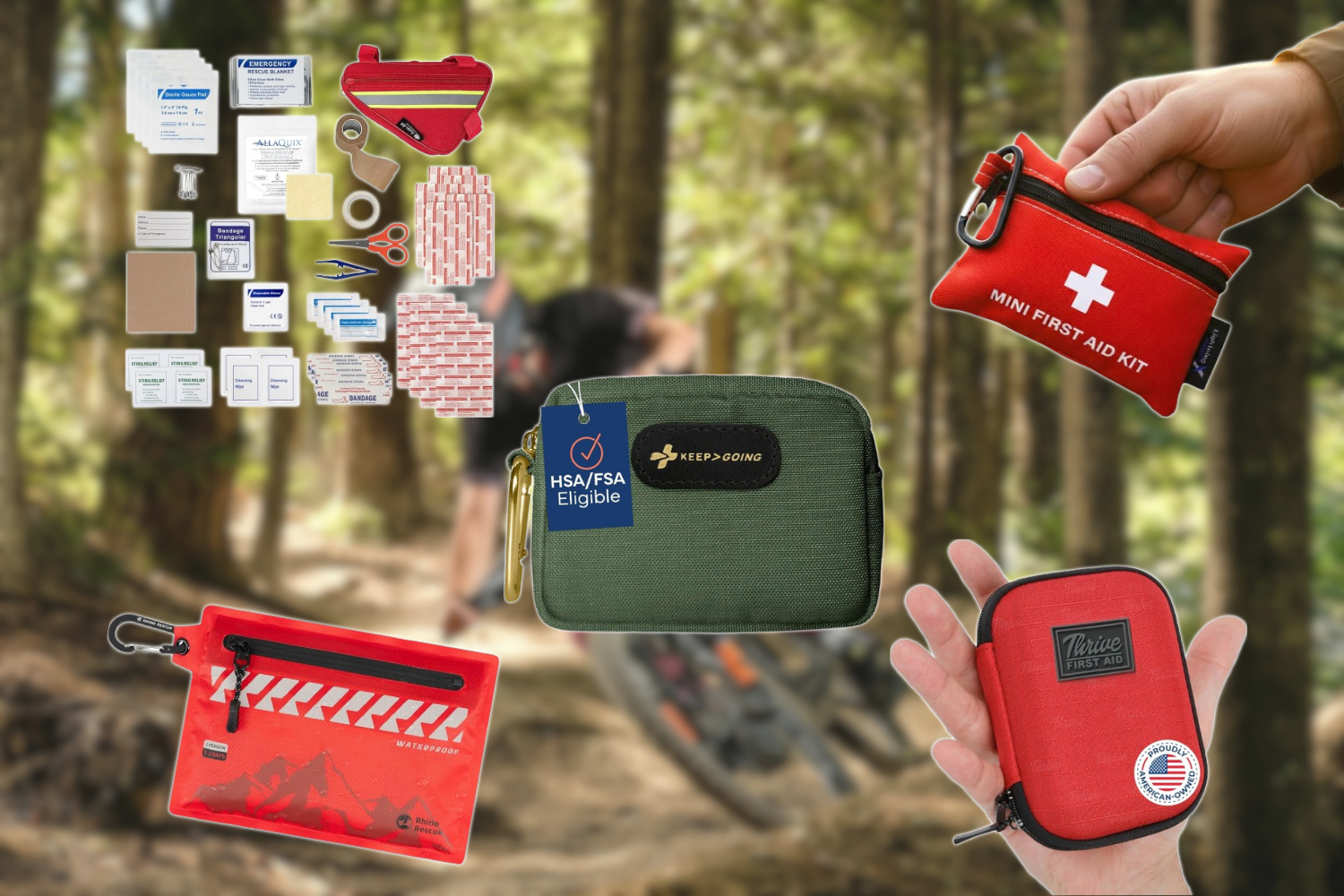
Out on technical descents or remote backcountry routes, MTB First Aid Kits are essential for staying prepared when unexpected crashes or injuries occur. From minor cuts and abrasions to blisters, sprains, or insect bites, having a dedicated MTB First Aid Kit allows you to respond quickly and manage situations effectively until you can reach help or safely continue your ride. Designed specifically for trail use, these kits prioritize compact size, lightweight carry, and practical medical essentials suited for mountain biking conditions.
In this guide, we’ve ranked the best MTB first aid kits for trail emergencies based on supply completeness, durability, portability, organization, and real-world rider feedback — helping you choose a kit that keeps you confident, prepared, and safer on every adventure.

The Lightning X Mini First Aid Kit is a pocket-sized emergency kit that’s perfect for riders who want a super compact first aid option. It includes around 20 essential items such as gauze, bandages, tape, ointments, antiseptic pads, and a small shears — enough to handle minor cuts, scrapes, and burns without taking up much space in your pack or jersey pocket. Its rugged, water-resistant exterior helps protect supplies from dirt and moisture on muddy or wet trail days.
Pros:
Cons:
The Lightning X Mini First Aid Kit is ideal for riders who want a low-bulk first aid solution they can carry every ride without noticing it. Its compact size and essential supplies make it great for addressing minor trail bumps, scrapes, blisters, and surface wounds. The rugged case helps keep things dry and protected — key when you’re battling dust, mud, or unexpected rain on long rides.
That said, it’s not a fully comprehensive kit prepared for serious trauma or deep cuts; instead, it excels as a minimalist rider’s kit or backup to a more complete first aid pack. Keep it in your hydration pack, handlebar bag, or jersey pocket for peace of mind and fast access to medical basics when you need them most.

The KeepGoing Small Travel First Aid Kit is a versatile mini kit that packs around 60 pieces of basic medical supplies into a compact, portable case. While originally designed for travel and daily use, its organized layout and lightweight design make it a useful addition to your MTB gear. The kit includes everyday essentials like bandages, antiseptic wipes, and latex-free supplies — perfect for handling minor trail incidents or family biking adventures.
Pros:
Cons:
The KeepGoing Small Travel First Aid Kit is a great entry-level choice for riders who want basic first aid coverage without a heavy or bulky pack. Its 60-piece set includes adhesive bandages, wipes, and other essentials that make quick work of minor cuts, grazes, and insect bites. The zippered, water-resistant pouch keeps everything together and protected, which is especially helpful when riding in wet or muddy conditions.
While it isn’t built specifically for mountain biking — meaning it doesn’t include advanced wound care or trauma tools — it’s perfect for adding essential medical coverage to your ride bag or hydration pack. If you’re a casual trail rider, commuter cyclist, or parent taking the kids on bike paths, this kit provides convenience and peace of mind at a very affordable price point.

The Cycling First Aid Kit for Riders is tailored toward cyclists and MTB enthusiasts who want a more focused emergency kit on the trail. This pack combines essential wound care supplies with features like stop-bleeding gauze and cohesive wraps — giving you a bit more coverage than the most basic kits. Designed to be compact and easy to carry, it’s a good option for riders who prefer a bike-specific first aid solution without going overboard on size or cost.
Pros:
Cons:
The Cycling First Aid Kit for Riders strikes a solid balance between portability and practical trail readiness. It includes important items like bleeding control gauze, wraps, bandages, and basic wound care tools — a step up from minimalist kits without becoming bulky. This makes it well-suited for riders who want to be prepared for the typical mishaps of mountain biking — from sharp rocks to fast trail descents.
Because it’s built with cycling emergencies in mind, you’ll find the contents more relevant to on-trail needs than generic travel kits. However, if you’re venturing into remote backcountry terrain or planning multi-day bikepacking trips, you might want to supplement this kit with extra supplies like a tourniquet or more advanced dressings.

The Thrive Mini First Aid Kit offers a larger selection of supplies in a water-resistant pouch, making it a strong choice for mountain bikers who want more comprehensive coverage without excessive bulk. This kit typically includes multi-size bandages, antiseptic wipes, safety pins, scissors, tweezers, and more — giving you the tools to handle a wider range of trail injuries from abrasions to more involved wound care.
Pros:
Cons:
The Thrive Mini First Aid Kit is an excellent middle ground for riders who want serious first aid capability without hauling a full-size medical bag. Its organized pouch stores a diverse set of essential supplies — bandages of various sizes, antiseptic pads, scissors, and tweezers — giving you the flexibility to address cuts, blisters, burns, and other common bike-related injuries.
While not the most compact, it’s still portable enough to fit in most hydration packs or saddle bags, and its water-resistant construction helps protect contents from trail moisture and dirt. If your rides tend to be longer, more remote, or more technical, this kit gives you greater confidence and preparedness compared to basic kits — a worthy #2 pick for riders who value comprehensive safety and peace of mind.

The RHINO RESCUE Small First Aid Kit tops this list as the best overall first aid solution for mountain biking trails. It’s compact, waterproof, and stocked with a well-rounded set of supplies — including bandages, gauze, antiseptic supplies, scissors, tweezers, and reflective elements — to cover a variety of outdoor emergencies. Built with durable materials for outdoor use, this kit keeps your essential medical gear protected and ready, no matter where your ride takes you.
Pros:
Cons:
The RHINO RESCUE Small First Aid Kit earns the top spot for riders who want the best balance of readiness, durability, and trail-focused supplies. Its waterproof, rugged case keeps all components dry and secure — ideal when riding through wet, muddy, or dusty conditions. The well-selected contents give you the tools needed to treat cuts, blisters, minor burns, and other common MTB mishaps, while remaining compact enough to carry in a bike bag or hydration pack.
This kit is great for most mountain biking scenarios — short trail spins, long XC rides, or even multi-day bikepacking adventures. While it isn’t a full trauma pack suitable for major medical emergencies, it covers the vast majority of trail incidents with confidence and convenience. For riders who want a reliable, trail-ready first aid kit that holds up to outdoor conditions, the RHINO RESCUE kit delivers the most peace of mind and preparedness on the trail.
1. Do I really need a first aid kit for mountain biking?
Yes. Trails can be unpredictable, and having basic first aid at the ready helps you manage cuts, scrapes, blisters, sprains, and other injuries until help arrives or you reach support.
2. What should a good trail first aid kit include?
Essential items include bandages of various sizes, antiseptic wipes, gauze pads, trauma dressings, tweezers, scissors, medical tape, and a kit case that is water-resistant or waterproof.
3. Can these kits handle serious injuries?
Most kits here are designed for minor to moderate injuries common in mountain biking. For severe trauma, additional professional gear and training are recommended.
4. How do I store my first aid kit on a bike?
Most kits fit in hydration packs, saddle bags, top tube bags, or hip packs. Waterproof cases prevent contents from getting wet or dirty on muddy rides.
5. Should I restock items after every ride?
Check your kit before each ride. Replace used, expired, or damaged items like bandages, alcohol wipes, and adhesive tape to keep the kit ready.
6. Is it worth carrying extra supplies for long, remote rides?
Yes. If you’re riding far from civilization or alone, consider adding more trauma supplies like a tourniquet, Israeli bandage, and personal medications.
Protection Matters on the Trail
Mountain biking exposes you to a variety of hazards — sharp rocks, branches, unpredictable terrain, and falls can all cause injuries. Carrying a compact, well-stocked first aid kit gives you the ability to manage minor emergencies and reduces the chance of small issues turning into big problems.
Match Kit Size to Ride Type
For short trail rides or casual spins, a mini kit with basic essentials might be enough. Longer, more technical, or backcountry rides call for larger, more comprehensive first aid kits with gauze, wraps, and tools.
Durable, Accessible, and Ready
Choose a kit that’s durable, easy to carry, waterproof or water-resistant, and contains supplies that are relevant to your typical injuries. A well-prepared first aid kit enhances your safety — and your overall confidence — wherever you ride.
Ride preparedness isn’t just about the right bike or gear — it’s about staying safe while you chase thrills on the trail. Whether you’re tackling rocky singletrack, steep descents, or multi-hour endurance rides, having a reliable first aid kit means you can handle scrapes or sprains without panic.
The kits in this guide were selected for their balance of portability, practical supplies, durability, and trail suitability:
– Top Picks like the RHINO RESCUE Small First Aid Kit offer excellent all-around readiness with rugged waterproof design and gear that handles common MTB injuries.
– Mid-level kits like Thrive or Cycling First Aid Kit for Riders provide more supplies and tools for versatile wound care.
– Smaller kits and travel options are perfect for riders who want lightweight, quick-access emergency items for everyday trail explorations.
Safety doesn’t slow you down — it lets you ride farther, explore more, and push limits with confidence. With the right first aid kit in your pack, you’re prepared for the unexpected and ready to enjoy every mile of trail.